

 Facebook
 X
X
 Pinterest
 Copy Link
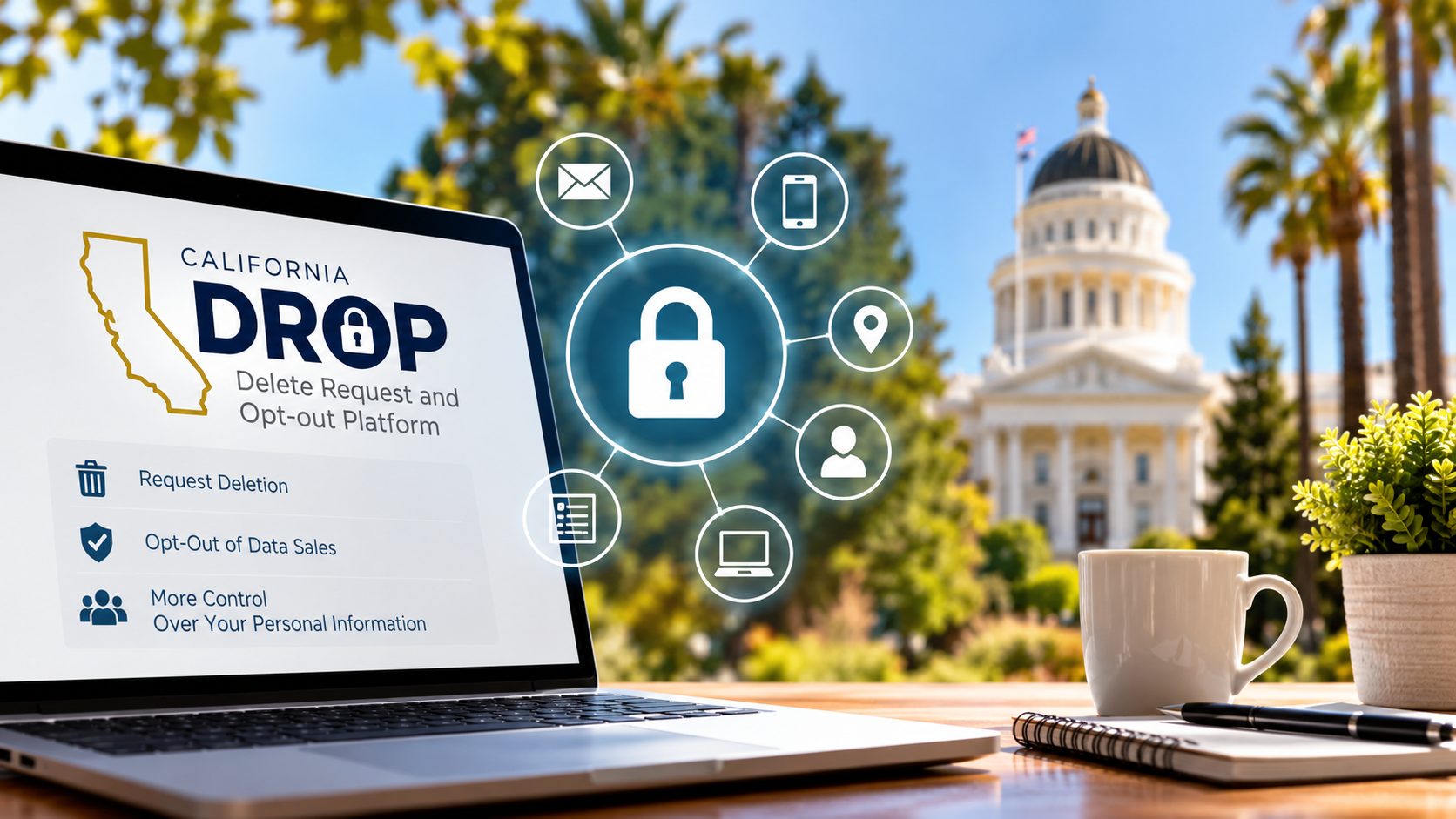
Have you ever wondered how much personal information about you is being collected, shared, or sold online? From your contact information and browsing activity to other personal details, data brokers may have more information about you than you realize. Fortunately, California residents now have access to a free state service that makes it easier to take control of some of that information.
The service is called DROP, which stands for Delete Request and Opt-out Platform. It allows California residents to submit one request asking more than 600 registered data brokers to delete their personal information and stop selling or sharing it, subject to certain legal exceptions.
If you value your privacy and want to learn how to limit the circulation of your personal information, here’s what you should know.
What Is a Data Broker?
A data broker is a company that collects personal information about individuals, often without having a direct relationship with them, and sells or provides that information to other businesses or organizations.
Depending on the company, the information collected may include:
- Names, addresses, email addresses, and phone numbers
- Dates of birth and other identifying details
- Online searches and browsing activity
- Location-related information
- Information used to develop consumer profiles and make inferences about individuals
Companies may use this information for marketing, advertising, analytics, and other purposes. Although some data collection supports legitimate business activities, many people are uncomfortable with how much information about them circulates without their direct knowledge.
Why Should You Consider Using California’s DROP Program?
California created DROP to give residents a more convenient way to exercise their privacy rights. Instead of contacting data brokers individually, you can submit a single request through the state’s official platform.
Here are four reasons you may want to consider using it.
1. Gain more control over your personal information.
You can request the deletion of eligible information held by participating data brokers. Limiting the amount of information circulating about you may help reduce your digital footprint.
2. Potentially reduce unwanted calls, texts, and emails.
Some unsolicited communications are connected to information collected and shared by third parties. Reducing the availability of that information may help reduce unwanted solicitations, although results vary.
3. Help reduce certain privacy and security risks.
The less widely your personal information circulates, the fewer opportunities there may be for it to be misused in targeted scams or fraud. This is one useful step in protecting your privacy, although it cannot eliminate the risk of identity theft.
4. Take action without contacting hundreds of companies individually.
The convenience of DROP is one of its biggest advantages. You can submit one request rather than having to identify and contact every registered data broker separately.
How Does the DROP Program Work?
The process is designed to be straightforward.
Step 1: Visit the official website
Go directly to California’s official DROP website:
The service is free. You do not need to pay a company to submit a request on your behalf.
Step 2: Verify your California residency
DROP is available to California residents. The state uses its California Identity Gateway to help verify eligibility.
Step 3: Create your profile
You’ll be asked to provide basic identifying information so data brokers can try to match your request to their records. You choose how much optional information to provide. More information may improve the chances of finding matching records, so review the requested details carefully before submitting them.
Step 4: Submit your deletion request
Once you review your information, submit your request. Keep your confirmation and DROP identification number so you can check your request’s status later.
What happens next?
Data brokers began processing requests on August 1, 2026. They must access the platform and process requests at least every 45 days. It may take up to 90 days for status updates to appear, so you may not see immediate results.
Does DROP Remove All of Your Personal Information From the Internet?
No. This is an important distinction.
DROP applies to eligible personal information held by registered data brokers. It does not erase everything about you online.
For example, information you provide directly to a company when creating an account or signing up for a service generally falls outside the scope of this particular deletion request. Publicly available information and information that may legally be retained are also excluded.
You may need to contact individual companies directly to manage information you have shared with them. You should also review your privacy settings on social media, email, shopping accounts, and other online services.
Think of DROP as one useful tool in a broader effort to protect your privacy, not a complete solution.
Is California’s DROP Program Free and Secure?
Yes. According to the California Privacy Protection Agency, DROP is a free service designed to protect the information you provide. The state says the information you submit is used to facilitate your deletion request rather than being sold or shared for unrelated purposes.
As with any online service, take time to review the official privacy notice and terms before submitting personal information. Make sure you are on the genuine state website, and avoid sharing your confirmation identification number publicly.
You can find additional details and instructions on the official DROP website.
A Simple Step Toward Better Online Privacy
We routinely take steps to protect our homes, finances, and personal belongings. Protecting our information online deserves attention, too.
If you’re a California resident, consider spending a few minutes learning about DROP and deciding whether to submit a request. It is free, relatively straightforward, and gives you another way to limit how registered data brokers use your personal information.
Feel free to share this resource with friends and family who may not know it exists.
This article is intended for general educational purposes and is not legal or cybersecurity advice. Program details and eligibility requirements are subject to change. For the most current information, consult the California Privacy Protection Agency’s official website.
